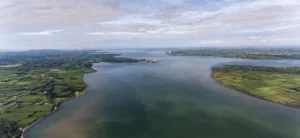
The River Shannon has long been central to Ireland’s identity — environmentally, economically and energetically. Today, it is once again at the centre of national discussion, with debate surrounding water abstraction, hydro power generation, and long-term sustainability.
For homeowners and businesses in Tipperary, this conversation raises an important question:
What does this mean for energy in our county — and how can we take control locally?
The answer increasingly points toward one solution: Solar Panels in Tipperary.
The River Shannon and Ireland’s Energy Story
Since the 1920s, the Shannon has powered Ireland through hydroelectric generation at Ardnacrusha Power Station — once one of the most ambitious engineering projects in Europe.
Hydropower has been a valuable renewable energy source for nearly a century. It produces low-carbon electricity and has supported Ireland’s grid through decades of growth.
However, hydro energy has limits:
- It depends on river flow levels
- It competes with environmental and water management needs
- It cannot scale rapidly to meet modern electricity demand
Today, Ireland’s energy demand is rising faster than ever due to:
- Population growth
- Electrification of heating
- Electric vehicles
- Expansion of data centres
- Business and industrial growth
The Shannon debate highlights a broader issue: Ireland needs more renewable energy — and it needs it closer to where it’s used.
Centralised Energy vs Local Energy Generation
Historically, Ireland relied on large, centralised power sources:
- Hydro plants
- Peat stations
- Gas-fired plants
- Large wind farms
While these remain important, they create dependency on national infrastructure.
The modern energy transition is different.
Instead of relying solely on large facilities, the future lies in distributed renewable energy — meaning thousands of homes and businesses generating electricity locally.
This is where Solar Panels in Tipperary play a crucial role.
Why Solar Panels in Tipperary Matter More Than Ever
Tipperary is uniquely positioned for solar energy adoption.
1. Strong Solar Potential
Ireland receives more solar irradiation than many people realise. Even in Munster, properly installed solar PV systems can generate significant electricity year-round.
With south-, east-, and west-facing roofs common across Tipperary homes, solar works extremely efficiently.
2. Rising Electricity Costs
Energy prices remain volatile. While wholesale prices fluctuate, long-term trends show continued upward pressure due to:
-
Carbon pricing
-
Infrastructure upgrades
-
Grid investment
-
Energy security concerns
Installing Solar Panels in Tipperary allows homeowners to lock in predictable energy savings for 25+ years.
3. Reduced Grid Pressure
When homes generate electricity on their own roofs:
-
Less strain is placed on national infrastructure
-
Transmission losses are reduced
-
Local resilience improves
Rather than relying entirely on major infrastructure projects, rooftop solar spreads generation across communities.
The Case for Energy Independence in Tipperary
The Shannon debate highlights a key theme: who controls energy supply?
With rooftop solar:
-
You produce your own electricity
-
You reduce reliance on large-scale projects
-
You protect yourself from price shocks
-
You increase your property value
For rural and semi-rural areas around Nenagh, Thurles, Roscrea, Clonmel, and Kilmastulla, energy independence is especially valuable.
Many homes in Tipperary have:
-
Large roof areas
-
Ideal pitch angles
-
Minimal shading
-
High daytime electricity usage
These are perfect conditions for Solar PV systems.
Solar Panels vs Traditional Power Sources
Let’s compare.
Hydropower
-
Renewable
-
Limited scalability
-
Dependent on water flow
-
Centralised
Fossil Fuels
-
High carbon emissions
-
Volatile pricing
-
Import dependency
Solar PV in Tipperary
-
Renewable
-
Scalable home-by-home
-
No fuel required
-
Zero emissions at point of use
-
Minimal maintenance
Solar does not replace hydro or wind — it complements them.
The more homes that adopt solar, the more balanced and resilient Ireland’s energy system becomes.
SEAI Grants Make Solar More Accessible Than Ever
The Irish government supports solar adoption through SEAI grants.
Homeowners in Tipperary can receive significant financial support for:
-
Solar PV panels
-
Battery storage
-
Inverter systems
This reduces upfront installation costs and shortens payback periods.
In many cases, homeowners in Tipperary see payback periods between 4–6 years, depending on system size and usage.
After that, the electricity generated is effectively free.
The Economic Benefits for Tipperary
Beyond individual homes, solar supports the local economy.
When you choose a local solar installer in Tipperary, you:
-
Support local employment
-
Keep investment within the county
-
Strengthen regional resilience
-
Reduce dependency on centralised infrastructure
As national energy demand increases, counties that embrace distributed renewable energy will be better positioned for stability.
Environmental Benefits for Future Generations
Tipperary is known for:
-
Rolling countryside
-
River systems
-
Agricultural heritage
-
Strong community identity
Solar PV systems:
-
Produce zero emissions
-
Require no water
-
Create no noise
-
Have minimal environmental footprint
Unlike large infrastructure projects, rooftop solar integrates seamlessly into existing homes.
It empowers families to reduce their carbon footprint without altering the landscape.
Is Tipperary Ready for a Solar Transition?
The signs say yes.
Across the county, more homeowners are installing:
-
4kW – 8kW residential systems
-
Battery storage for evening use
-
EV chargers powered by solar
-
Smart energy monitoring
With electric vehicles and heat pumps increasing in popularity, electricity demand per household is rising.
Solar ensures that homes can meet that demand sustainably.
What This Means for Homeowners Today
The Shannon debate reminds us of something important:
Energy decisions have long-term consequences.
Large projects take years to complete.
Policy changes shift over time.
Infrastructure upgrades are costly.
But installing Solar Panels in Tipperary is something homeowners can do right now.
It provides:
-
Immediate bill reduction
-
Long-term protection
-
Property value increase
-
Energy security
Instead of waiting for national solutions, households can take control locally.
Why Choose a Local Solar Installer in Tipperary?
Choosing the right installer is critical.
A local provider understands:
-
Regional roof types
-
Planning considerations
-
Typical energy usage
-
Grid connection requirements
-
Local weather conditions
Working with an experienced Tipperary-based solar company ensures your system is:
-
Properly designed
-
Correctly sized
-
Fully compliant
-
Optimised for maximum return
The Future of Energy in Tipperary
Ireland’s renewable energy mix will continue evolving.
Hydro, wind, and solar will all play roles.
But one trend is clear:
Energy generation is moving closer to home.
Thousands of rooftops across Tipperary represent untapped energy potential.
By embracing solar, homeowners contribute to:
-
A more balanced national grid
-
Reduced carbon emissions
-
Greater energy independence
-
A more sustainable future
The conversation around the River Shannon highlights the need for careful, long-term thinking about energy and resources.
Solar panels offer a practical, proven step forward — available today.
Thinking About Solar Panels in Tipperary?
If you’re considering:
-
Reducing electricity bills
-
Installing EV charging
-
Future-proofing your home
-
Increasing your BER rating
-
Accessing SEAI grants
Now is an excellent time to explore your options.
With strong solar performance in Tipperary, grant support available, and energy demand rising, the case for solar has never been stronger.
The Shannon debate reminds us that energy decisions shape generations.
While national infrastructure discussions continue, homeowners in Tipperary have the power to act today.
Solar Panels in Tipperary are not just about savings — they are about resilience, independence, and long-term sustainability.
And that matters now more than ever.