If you’ve opened a letter from your electricity supplier lately, you probably didn’t need a calculator to feel the sting. The numbers on that page tell a simple, brutal story: energy in Ireland is getting more expensive, and it’s not stopping anytime soon.
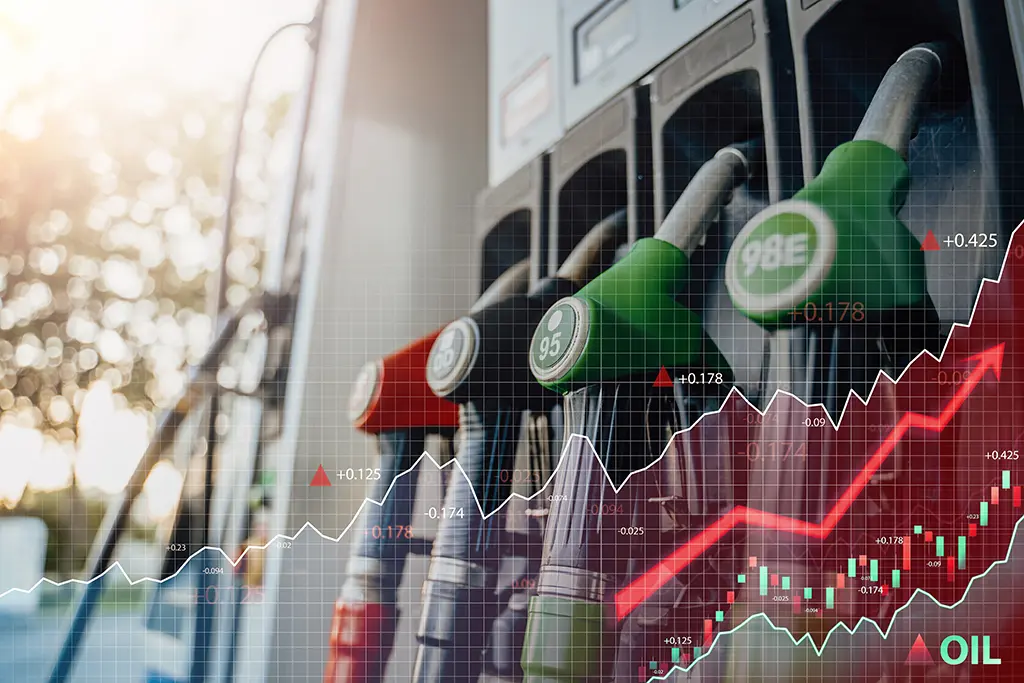
The reason? Oil prices.
It sounds strange, doesn’t it? Most Irish homes don’t burn oil for electricity. But the global oil market dictates the price of almost every other energy source on the planet. When oil sneezes, our electricity bills catch a cold. And right now, oil has a high fever.
Let’s talk about why this is happening, how it’s squeezing households across Tipperary, Clare, Limerick, Offaly and Laois, and why solar energy is the only real path to freedom from this madness.
The Oil Price Rollercoaster: Why Your Bills Keep Climbing
Here’s the thing about Ireland’s energy market. We don’t produce much of our own fuel. We import almost all of it. That means whatever happens in the Middle East, in Russia, in Venezuela, or on a shipping route off the coast of Africa—it lands on your doorstep within weeks.
When global conflicts flare up, oil traders get nervous. When traders get nervous, prices spike. When prices spike, the cost of generating electricity on the national grid goes up. And when that happens, your supplier passes the cost straight to you.
You haven’t changed how much electricity you use. You haven’t left the lights on overnight or run the dryer any more than usual. But your bill is higher. Because somewhere in the world, something happened that has nothing to do with your family or your home.
That’s the trap of being fully grid-dependent. You’re at the mercy of forces you cannot see, cannot control, and cannot predict.
The Real Cost: What Higher Energy Prices Mean for Irish Families
Let’s move beyond the economics and talk about what this actually feels like at the kitchen table.
For a young family in Nenagh, a higher electricity bill might mean cutting back on the weekly shop. It might mean saying no to the kids’ activities because the budget simply isn’t there.
For a retired couple in Killaloe, it might mean turning the heating down another degree. It might mean worrying through the winter, watching the meter spin, afraid to check the next bill.
For a farmer in East Clare, it might mean calculating whether the milking parlour is even profitable anymore. It might mean delaying that shed repair because energy costs have eaten the margin.
For a small business owner in Limerick city, it might mean fewer staff hours. It might mean higher prices for customers. It might mean wondering if the business can survive another year of volatility.
These aren’t hypotheticals. This is what energy inflation does. It doesn’t just drain bank accounts. It drains peace of mind.
The Government Can’t Fix This for You
Don’t get me wrong—grants help. The SEAI scheme is generous, and the TAMS grants for farmers are genuinely useful. The government knows there’s a problem, and they’re trying to help households make the switch.
But here’s the uncomfortable truth: no government can shield you from global oil price spikes. They can offer credits, they can cap prices temporarily, they can talk tough at EU summits. But they can’t control OPEC. They can’t stabilise a warzone. They can’t unblock a shipping canal.
The only real protection is producing your own power.
Solar Energy: The Freedom You’ve Been Looking For
This is where solar changes everything.
When you install a solar PV system on your roof, you’re not just buying panels and an inverter. You’re buying a personal power plant. You’re stepping off the grid’s rollercoaster and onto solid ground.
Here’s what that actually means for your household:
1. Predictable Energy Costs
Your solar system generates electricity from the sun. The sun doesn’t send you a bill. The sun doesn’t raise its prices because of a conflict overseas. Once your system is paid off, your marginal cost of electricity is zero.
You’ll still be connected to the grid—everyone should be, for backup—but you won’t be held hostage by it. You’ll use your own power first, and only draw from the grid when you need to.
2. Protection from Future Price Hikes
Let’s say oil prices spike again next winter. Let’s say another conflict disrupts supply chains. Your neighbours will be opening frightening bills. You’ll be sipping tea, powered by the sun, wondering what all the fuss is about.
That’s not arrogance. That’s just maths. The energy on your roof is already paid for.
3. Energy Independence During Storms
We know the power goes out in rural Ireland when storms roll in. Trees fall on lines. ESB crews do heroic work, but they can’t be everywhere at once.
With a solar battery system, when the grid goes down, your essentials stay on. The fridge keeps running. The lights stay on. The kids can charge their devices. You’re not waiting for someone else to fix your problem. You’ve already fixed it yourself.
4. Real Savings, Every Single Day
The average Irish home with a properly sized solar system can save 50-70% on their electricity bills. That’s not a marketing claim—that’s what we see from our own customers in Tipperary and Clare.
For a family spending €200 a month on electricity, that’s €100-140 back in their pocket every single month. For a farm or business, the numbers are even bigger.
But What About the Weather?
Every Irish person asks this question. It’s fair.
“Sure, solar sounds great, but what about our grey skies? What about winter?”
Modern solar panels are not the panels of ten years ago. Today’s high-efficiency panels are designed to capture diffuse light—the light that gets through clouds. They work on overcast days. They work in winter. They work in Ireland.
Yes, you’ll generate more in summer than winter. That’s why you pair your panels with a battery. Store the excess summer generation for winter evenings. Balance your usage across the year.
The technology is mature. The numbers are proven. Solar works in Ireland.
The Financial Reality: Upfront Cost vs. Long-Term Freedom
Let’s talk about the elephant in the room. Solar costs money upfront. There’s no getting around that.
But here’s what the upfront cost buys you:
- 20-25 years of predictable, low-cost electricity
- Protection from inflation and price spikes
- Increased home value (solar adds to your BER rating)
- SEAI grants covering up to €1,800 of the cost
- A payback period of 6-8 years, then decades of savings
After the payback period, every euro you don’t spend on electricity is money you keep. For the second half of your system’s life, you’re essentially generating free power.
Compare that to paying the grid forever, watching your bills climb with every global crisis. Which sounds like freedom?
Why Local Installers Matter for Your Energy Freedom
This isn’t just about the technology. It’s about who you trust to install it.
A national company might give you a cheaper quote, but will they be there in five years when you have a question? Will they remember your name? Will they drive out to your farmhouse in East Clare on a wet Tuesday because something looks odd on your app?
We will. We’re Moontree Solar, based in Birdhill, Co. Tipperary. We serve our neighbours. We install systems we’d put on our own roofs. And we don’t disappear after the cheque clears.
When you choose a local installer, you’re not just buying equipment. You’re buying a relationship. You’re buying someone who’s just around the corner when you need help. That’s part of the freedom too.
The Bottom Line
Global oil prices aren’t going to stabilise. The world is too complicated, too interconnected, too volatile. There will always be another crisis, another supply shock, another reason for prices to climb.
You can’t control that. But you can control how much it affects you.
Solar energy won’t solve every problem. You’ll still be connected to the grid. You’ll still have a bill, though much smaller. But you won’t be a hostage anymore. You’ll be a producer, not just a consumer. You’ll have taken the single most important step toward energy independence.
The oil price crisis is real. It’s hurting households across Tipperary, Clare, Limerick, Offaly and Laois. But it doesn’t have to hurt yours.
The sun is still free. The technology is ready. The grants are available.
All that’s missing is your decision.